

The Allure of Casino Games
The thrill of casino games is deeply rooted in human psychology. Colors, sounds, and lights are strategically designed to create an intoxicating atmosphere that entices players. The vibrant visuals and energetic sounds of slot machines, for instance, trigger emotional responses that can lead to excitement and anticipation. This sensory overload is not accidental; it’s a crafted experience aimed at boosting player engagement and encouraging longer play sessions. In the midst of this experience, players often seek options like a new casino online, which can provide fresh thrills and diverse opportunities for excitement.
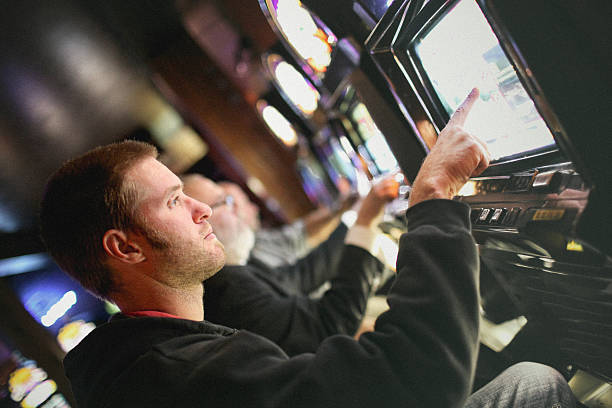
Moreover, the unpredictability of outcomes in casino games taps into the human psyche’s love for risk and reward. The potential for a jackpot can ignite a sense of hope that compels players to continue playing. This ‘gamble’ draws individuals in, often blurring the line between entertainment and obsession as they chase the elusive win, which is a core aspect of player behavior in casinos.
The Role of Cognitive Bias
Cognitive biases significantly shape how players perceive their chances of winning. One common phenomenon is the “Gambler’s Fallacy,” where players believe that past outcomes will influence future results. For instance, someone might mistakenly think that a slot machine that hasn’t paid out recently is ‘due’ for a win. This misjudgment leads to increased playtime and expenditure, as individuals become ensnared in their own flawed reasoning.
Additionally, the “Near Miss Effect” plays a crucial role in player psychology. When a player almost wins—such as landing two out of three symbols on a slot machine—they may feel a rush of excitement that encourages them to keep playing. This perception of being ‘close’ to a victory can create a false sense of control, making players believe they are on the brink of a significant win, reinforcing their desire to continue gambling.
The Importance of Reward Systems
The design of casino games often incorporates reward mechanisms that exploit psychological principles to enhance player retention. One notable model is the variable ratio reinforcement schedule, where players receive rewards at unpredictable intervals. This structure mirrors the mechanics of gambling, significantly increasing the likelihood of players returning, as they remain unsure when their next win will arrive.
Additionally, loyalty programs and bonuses serve to further entrench players in the gaming experience. By providing incentives for continued play, casinos foster a sense of belonging and attachment. This emotional investment can lead to habitual gaming behaviors, as players become immersed in the casino’s ecosystem, feeling compelled to return for additional rewards and social interactions.
The Impact of Environment on Player Behavior
The environment of a casino is meticulously constructed to optimize player behavior. Factors such as layout, lighting, and the placement of games are all designed with psychological principles in mind. For example, casinos often employ a maze-like design to encourage exploration, making it difficult for players to find exits and prompting them to stay longer than intended.
Moreover, the use of pleasant scents and comfortable seating can create a welcoming atmosphere that encourages players to linger. By controlling these environmental elements, casinos can significantly influence player behavior, enhancing satisfaction while simultaneously promoting increased duration and frequency of play, thus maximizing their revenue.

Understanding Casino Psychology through Research
Research into the psychology of casino games and player behavior reveals a complex interplay of emotional, cognitive, and environmental factors. Studies demonstrate that understanding these dynamics can lead to better responsible gambling initiatives and tailored player experiences. When casinos grasp the psychological triggers that drive player engagement, they can create environments that foster positive play experiences while minimizing potential harm.
In conclusion, delving into the psychology behind casino games uncovers the intricate ways in which human behavior is influenced. This exploration not only enhances our understanding of why players gamble but also serves as a foundation for developing strategies that promote safer gambling practices, making the casino experience enjoyable yet responsible for all players involved.
